The short answer
Components are chosen in isolation; systems are heard in a room. Design is what makes the two agree.
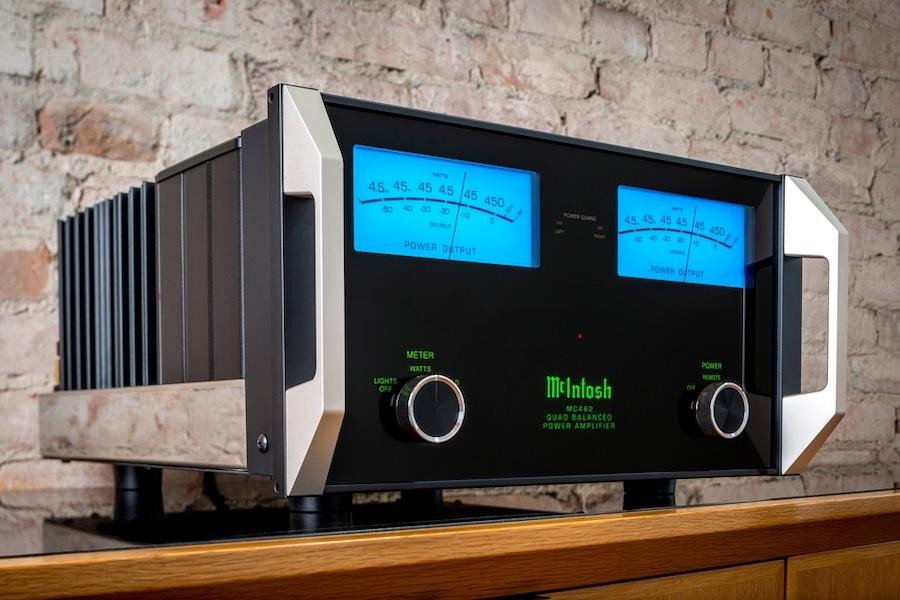
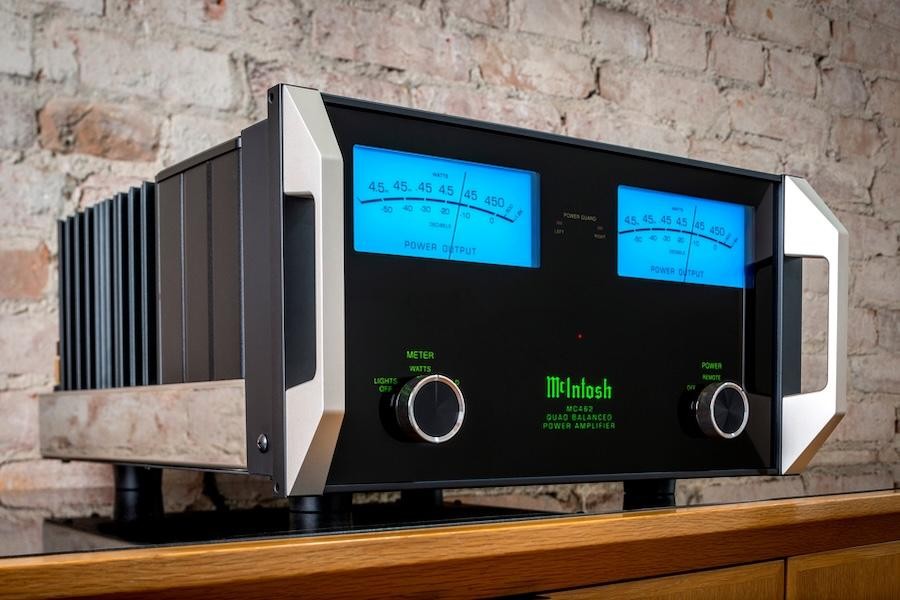
On a recent Kansas City project, reconfiguring the receiver as a processor and adding a dedicated amplifier delivered the headroom the speakers needed — no bigger price tags, just the right arrangement. The plan moved from roughly $40,000 to $60,000 only once every link in the chain was addressed.
The Best AV Components on Paper Still Need Real System Design to Sing
Two-channel audio is having a moment. Vinyl sales keep climbing, YouTube is full of deep-dive component reviews, and Reddit threads dissecting amplifier topologies and cartridge pairings run for several pages.
If you've been researching a new two-channel setup for your home in the Kansas City area, you've probably already absorbed a fair amount of that research. That's a legitimate starting point, because you have a general idea of what matters most and what doesn’t.
What that online research can't tell you is how those specific system pieces will behave together, in your room, with your speakers, on your audio source. That's a separate discipline from research altogether, and it's the one that decides whether a system sounds the way you imagined it or not. Below, you can learn more about the steps you should take after researching high-performance two-channel audio—keep reading.